More than 40 groups gather at British Muslim Heritage Centre.
Community leaders highlight diversity, governance, advocacy and youth leadership
Tajammul Gurmani
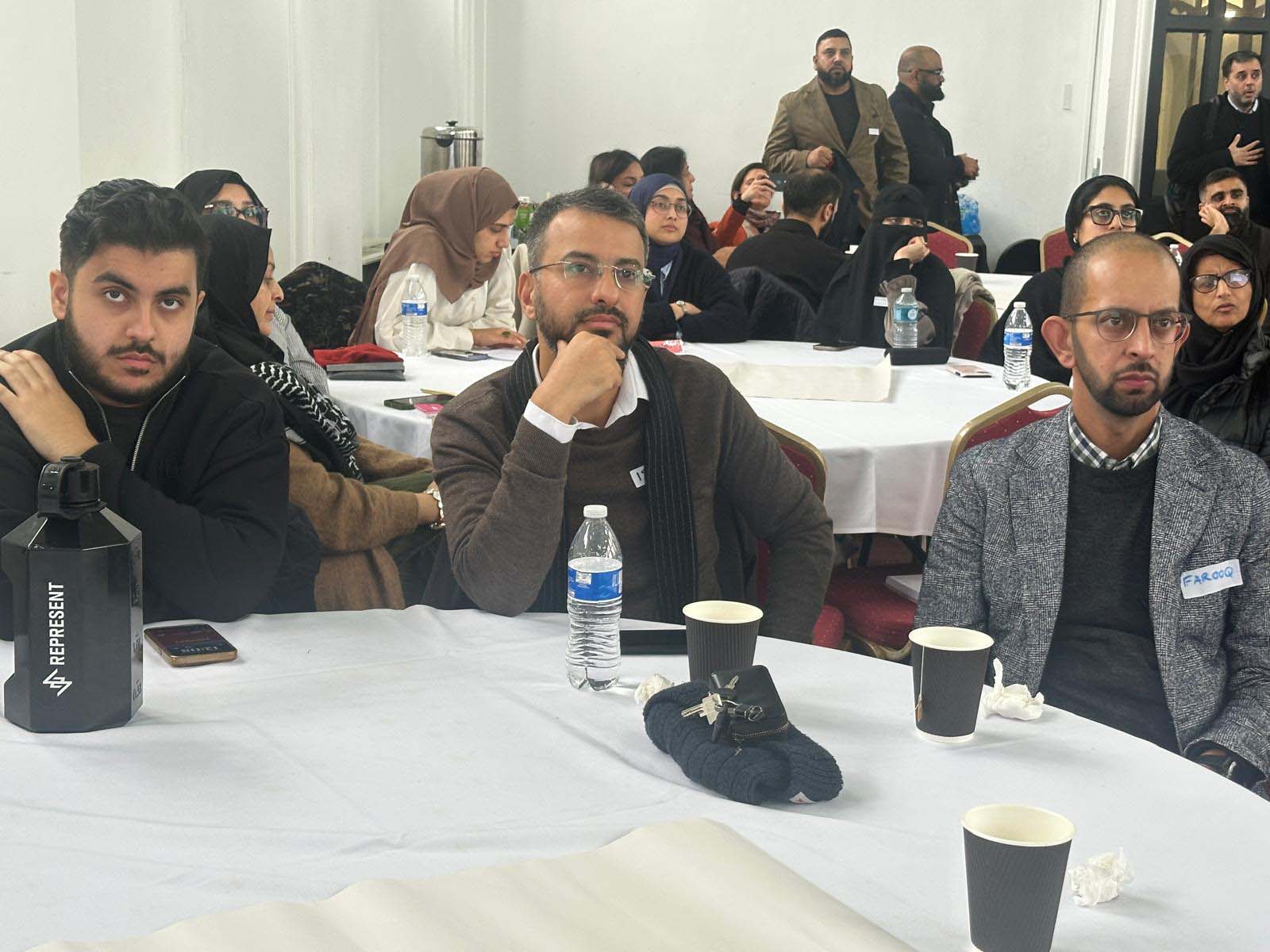
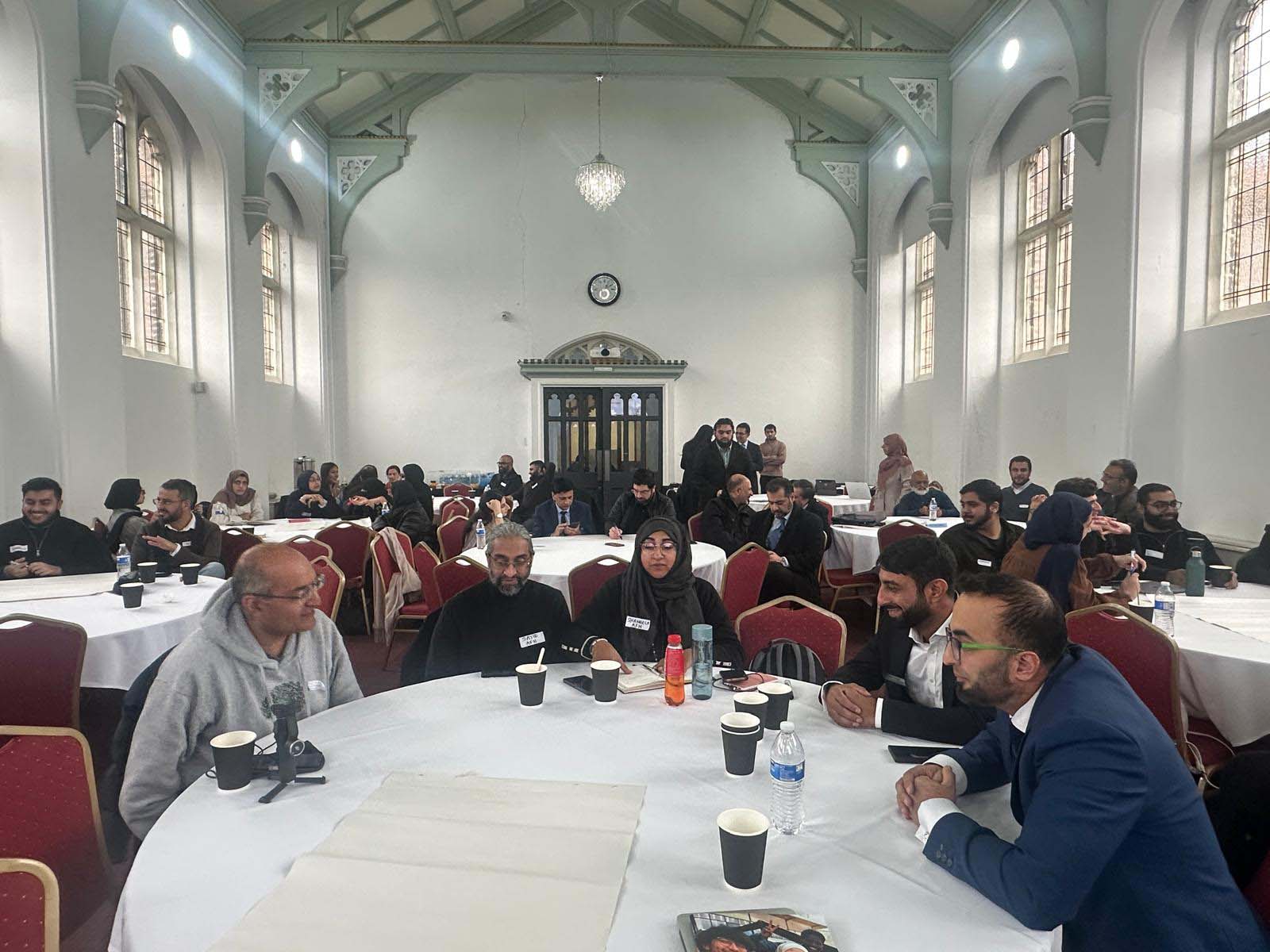
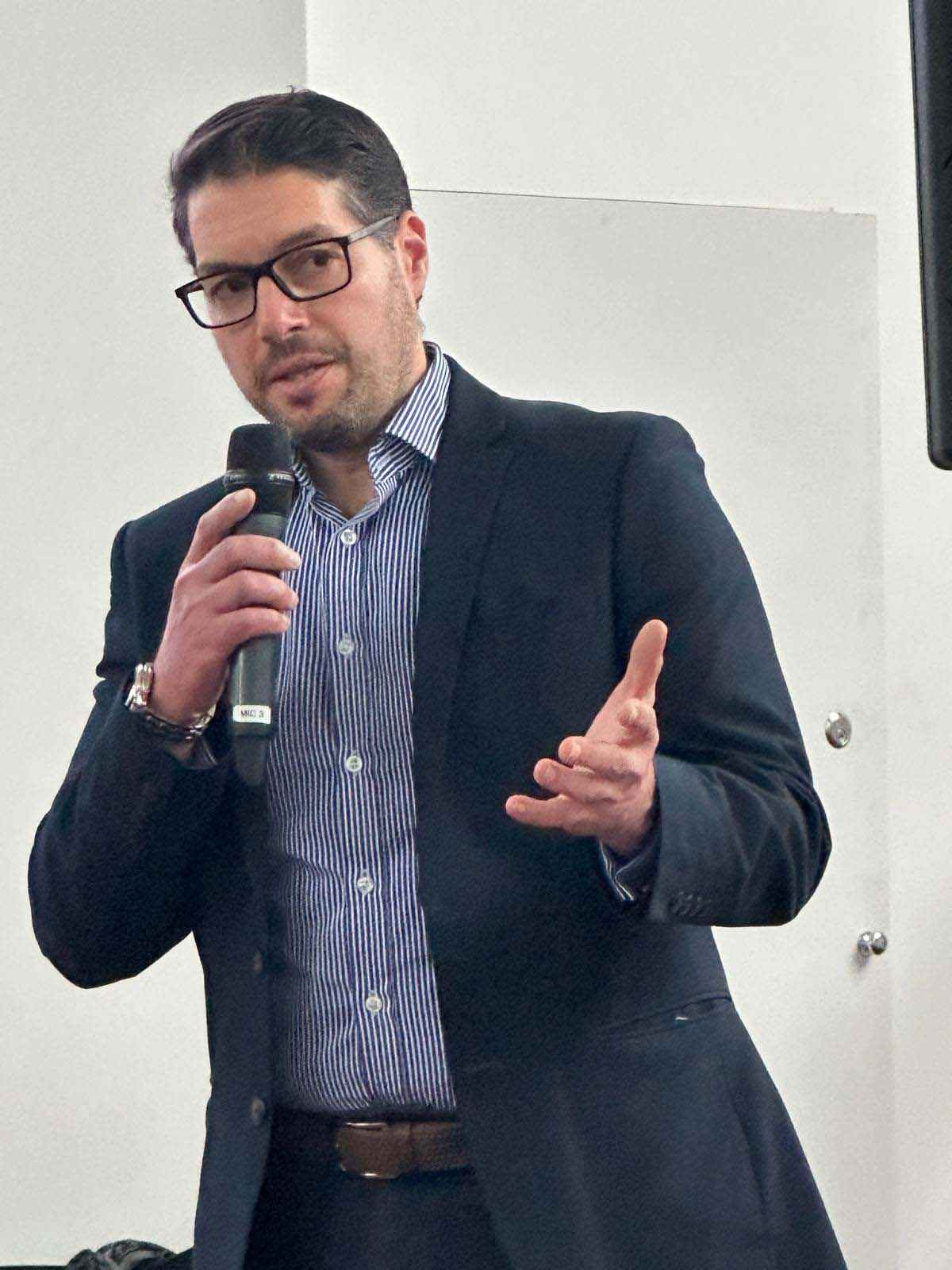
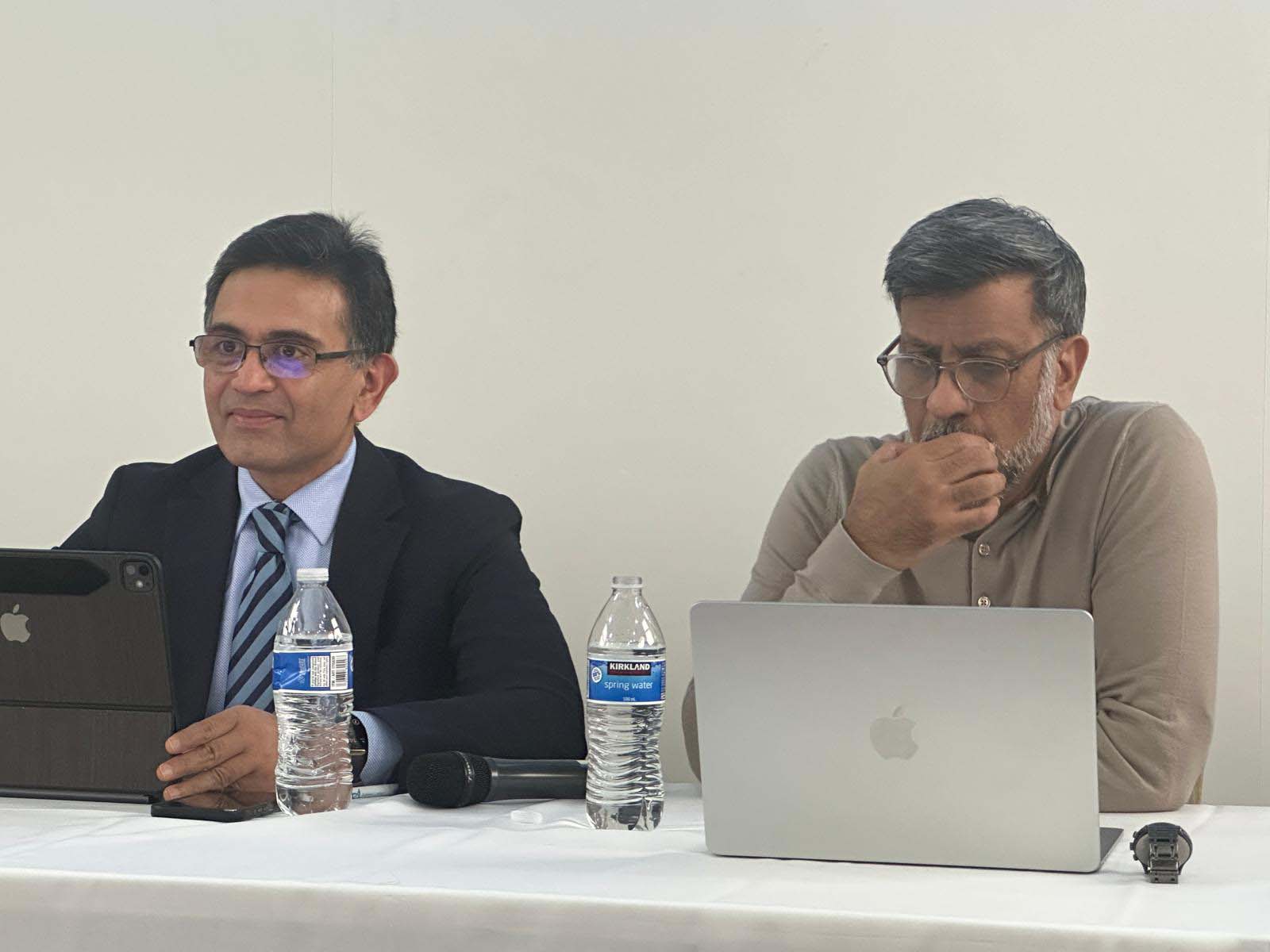
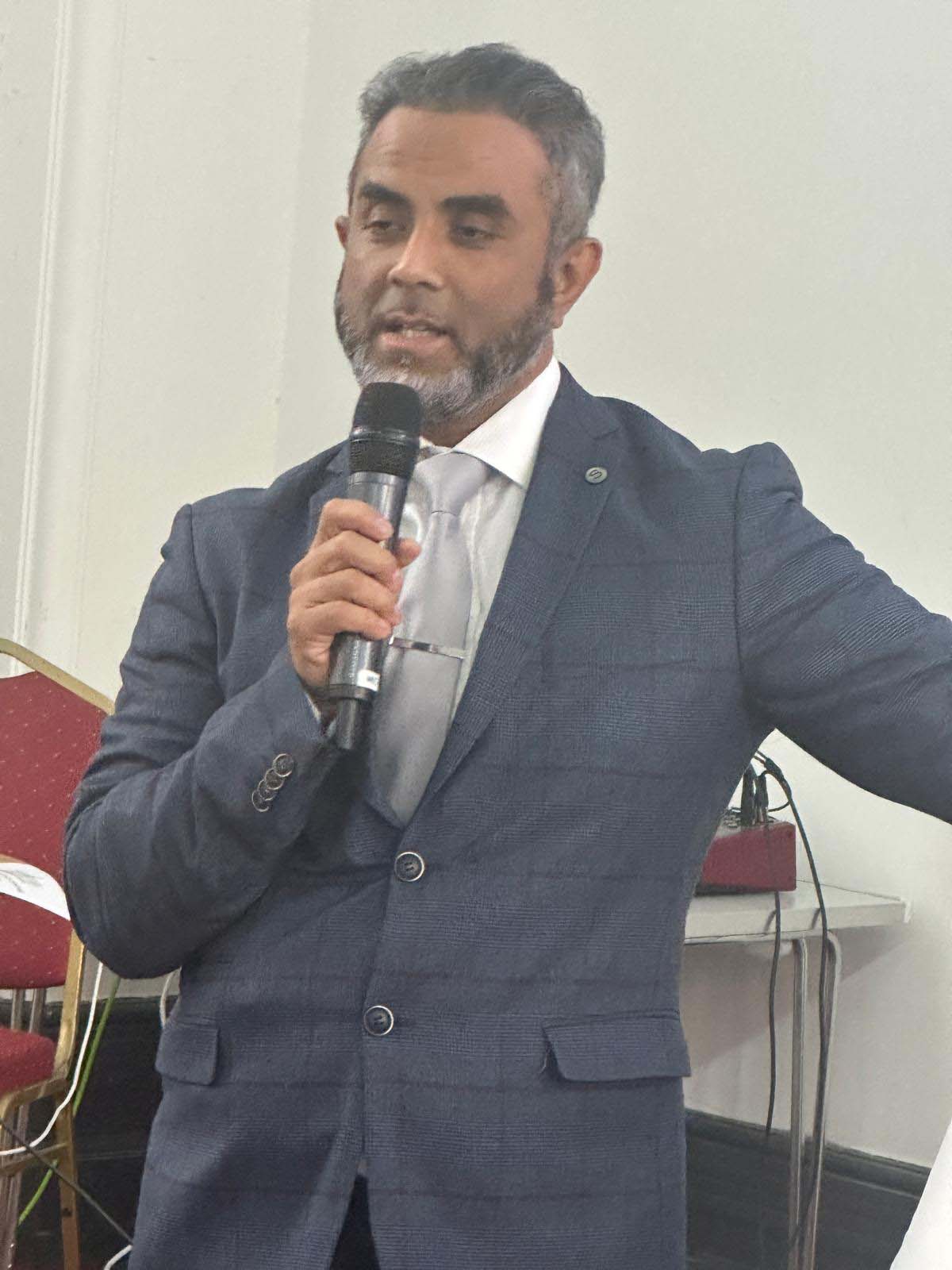
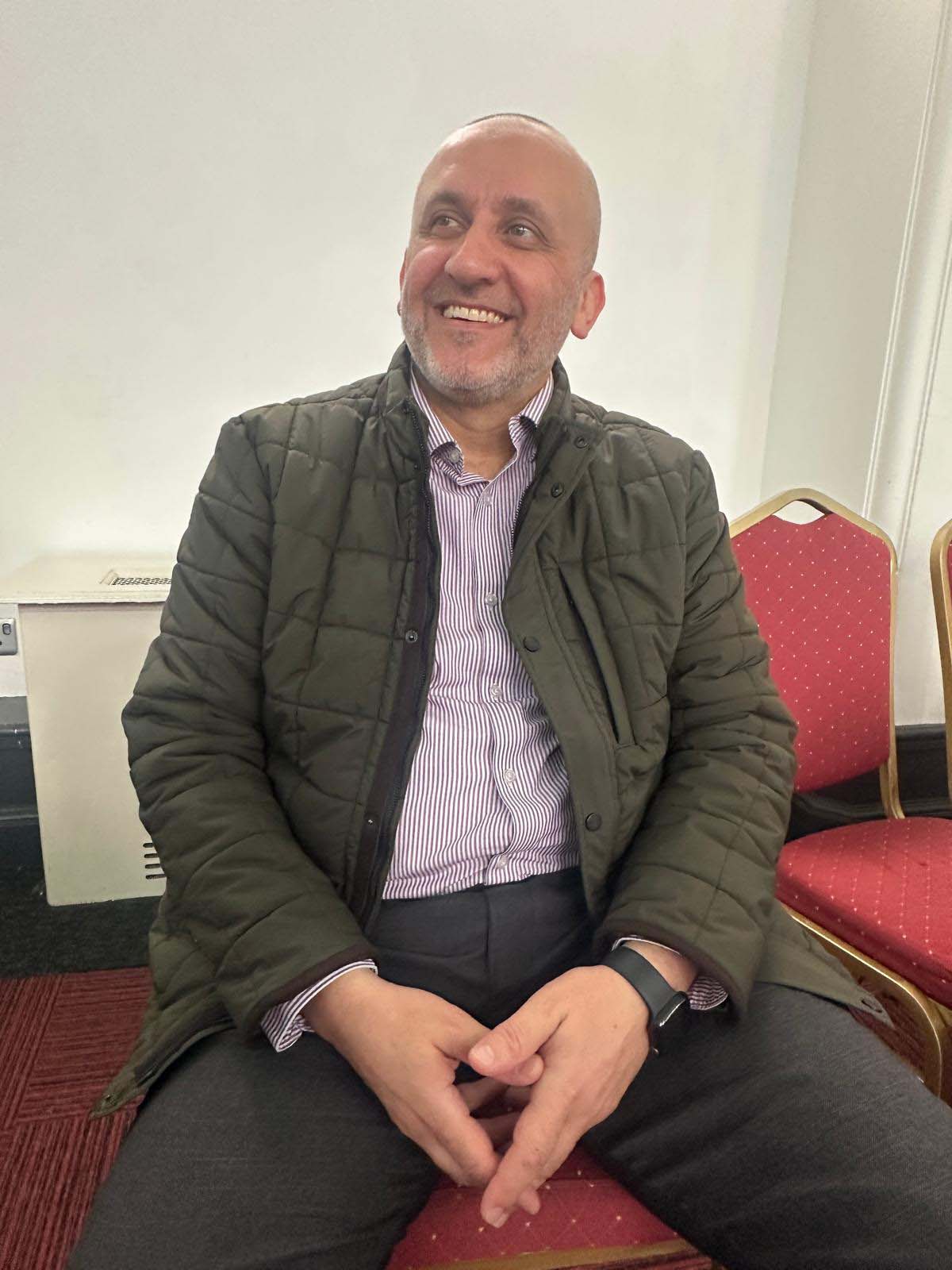
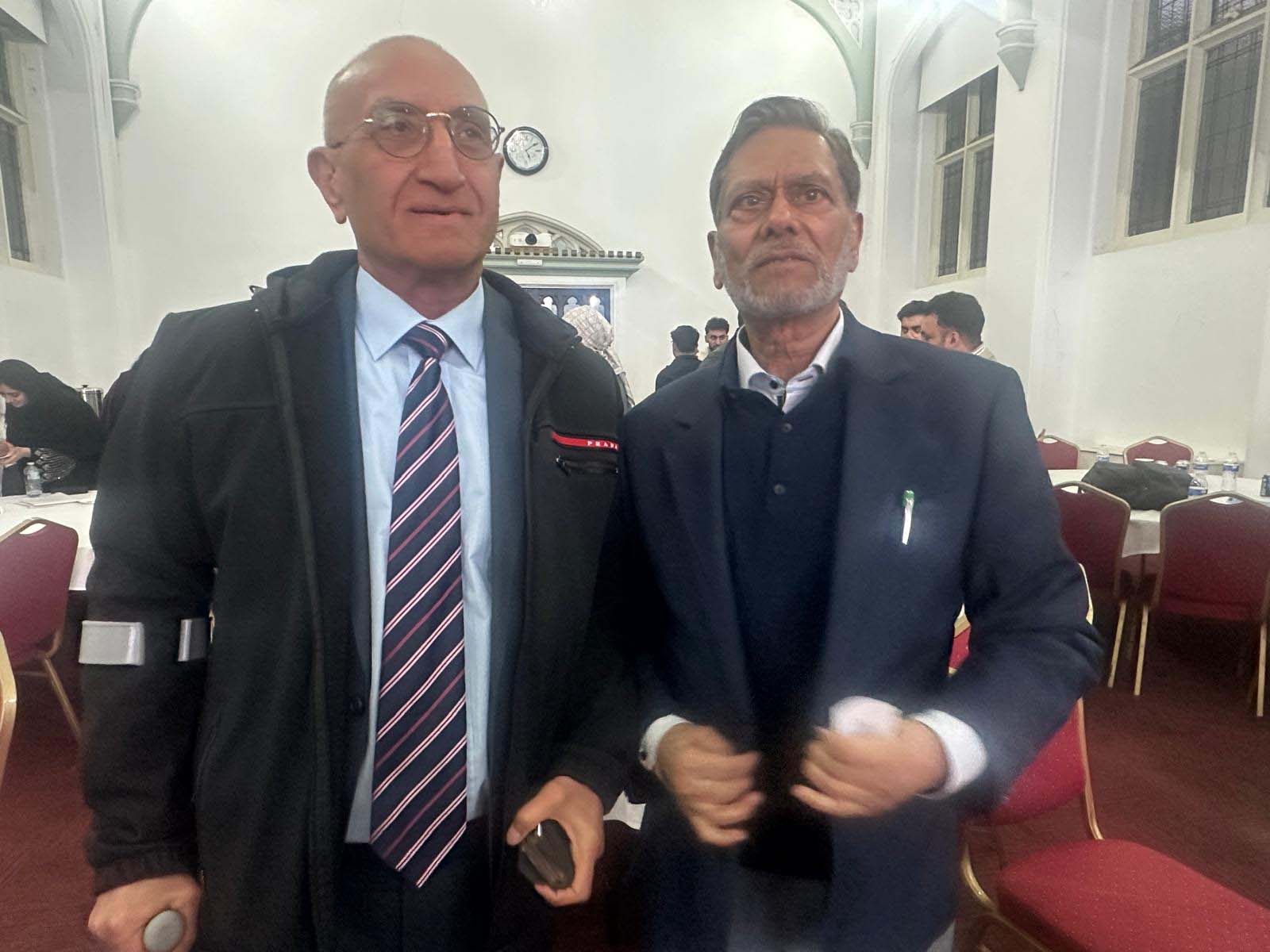
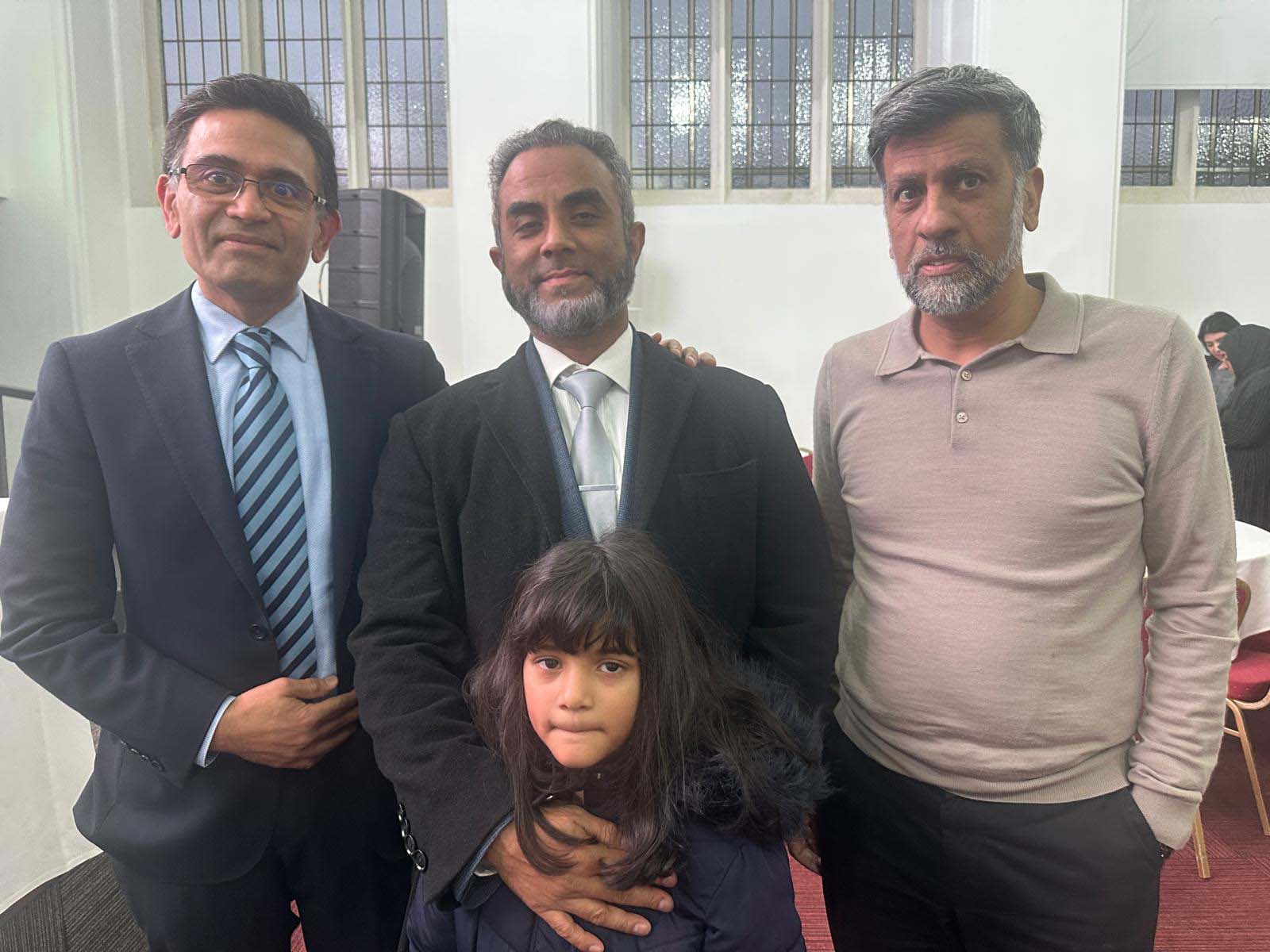
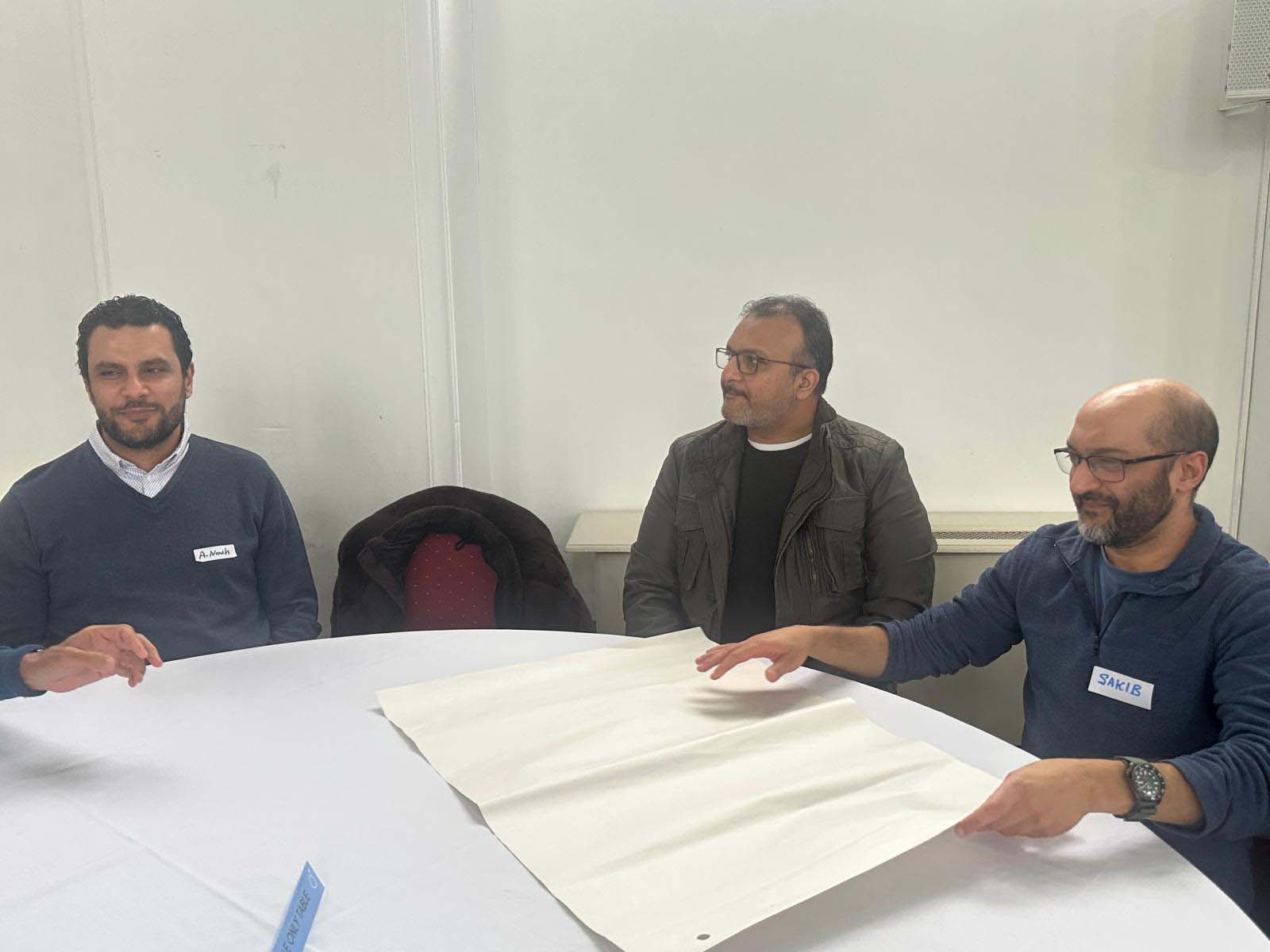
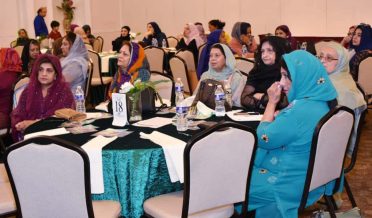
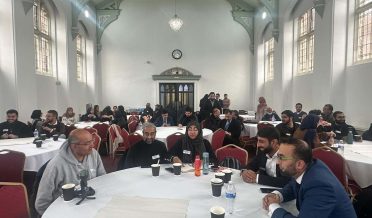
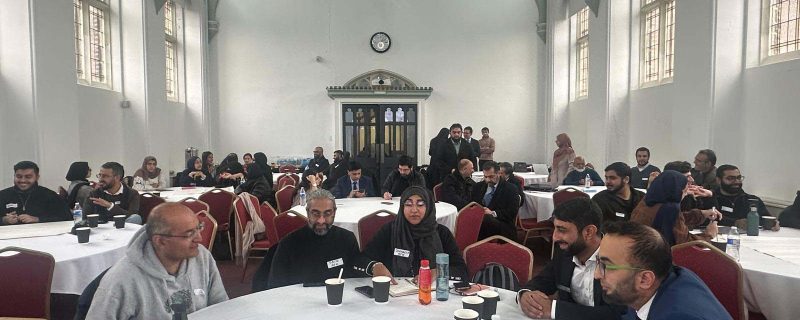
Forum of Muslim Organisations (FOMO) Greater Manchester was formally launched during a ceremony held at the British Muslim Heritage Centre (BMHC). It was a meaningful direction to unite the Muslim organisations. It was a dire need to unite the Muslim organisations across Greater Manchester. More than 40 Muslim organisations and their representatives attended the meeting. During the first meeting, it was announced that an executive board would be established soon, and in the next phase a formal structure would be announced through proper elections. In the inaugural session, the prominent speakers of the event included Nasar Malik, Khalid Anis, Sadek Hamid, Jehangir Malik OBE, Nasir Hafezi, Ehab Al Shareid and Dania Abul Haj, while a large number of community leaders across Greater Manchester attended the event.
The founder member of FOMO, Khalid Anis, talking to “Aims International”, said that he belongs to Pakistan and professionally he is a dentist working in the NHS. He also belongs to quite a few organisations. From an Islamic point of view, he belongs to an organisation called the Islamic Society of Britain. Professionally, he works in the NHS and is a Professor of Transformational Health at the University of Lahore. He is one of the founding members of the Forum of Muslim Organisations for Greater Manchester. “So, my role has really been to help the founders’ group, to coordinate and to move forward so that as a first step, we have managed to deliver this event as a start for what we hope to achieve, Inshallah.” About the establishment of the new forum, he said that it is very obvious that there are a lot of Muslim organisations across the country, especially in Manchester, doing very good work. “They have done brilliant work in the community, in society, and it is something that we have thought for a long time—that they would be able to do even more if they actually sat together, networked with one another, discussed the work with one another, and worked together to deliver the same thing. For example, Brother Jehangir is working with the refugees. If you imagine, there must be many organisations from a Muslim background who are working with refugees. If they could come together and work together strategically, they would probably achieve a lot more. And over the last few years especially, how many times have we heard in Muslim gatherings and dinner parties, ‘If only the Muslims were more united’? If only we could have unity. This is the first step. It’s a small step, but it’s the first step towards that concept.” On whether FOMO will offer membership to organisations or individuals, he said, “At the moment, we’re thinking organisations, because it’s a forum of Muslim organisations. It’s really for bringing Muslim organisations together. Now, when we say Muslim, they may be Pakistanis, they may be Bangladeshi, they may be lots of different types of organisations. But the ethos is obviously from a Muslim perspective, and if that’s the case, they will be very welcome.” Do you think it’s a parallel organisation? “It’s not. For mosques, for example, you have Manchester Council of Mosques, you have Bolton Council of Mosques, you have Lancashire Council of Mosques, which is brilliant. They are a group of mosques working in a certain geographical area. We are far more than just mosques. Mosques are hugely important, of course, very central to the Muslim community. But there are so many more Muslim organisations out there who work outside the mosques. We want to be very diverse and very open. Our strength will come from diversity. So we want to have diverse ethnicity, diverse age, and diverse gender, which is very important.” Talking about the areas of work, he said, “We had three areas of work. Gaza is one of them. We worked on governance, and then we looked at what the Muslim community needs. In the future, what we do will depend on what the Muslim organisations feel we need, and we can focus on those topics. There is no fixed topic.” While elaborating on whether FOMO is a charitable trust, he said, “I think that is to be decided—not at the moment—because you know a charity brings with it many complexities and advantages, but also disadvantages. So, I think, as we develop the next phase of our organisation, as more people get involved, that is a decision that we will take.” Talking about the Pakistani community, he stated that there are many different areas where they can work with communities of all backgrounds, including the Pakistani community. “And that comes into our objectives. First of all, we have networking. At a basic level, it’s a place for like-minded people to come together, share resources, and collaborate. It’s about capacity building—how can we offer training and development programmes to enhance organisations in what they can do? Very important. Advocacy and representation is another area. So, is there room, for example, for Pakistani organisations or others who want to express their view on a particular topic? If they come together and do it, it will be stronger. There’s also knowledge exchange. We have experts in many organisations—why not share that knowledge with each other? Then it’s about how we get our young people into leadership, because a lot of us are growing old now. We need new people who understand and have the skills to lead. And then, of course, it’s around policy. How can we impact policy, not just in our organisations, but in the community and the society in which we live? We have a big plan. Even in our founding core group that we set up to deliver this project, you will see that youth members were an integral part of it. So actually, the young people have to be in the leadership. They have to be in every part of the organisation, because it’s not for them to listen to us—it’s for us all to work together for the common good.” He clarified that they will work only in Greater Manchester.
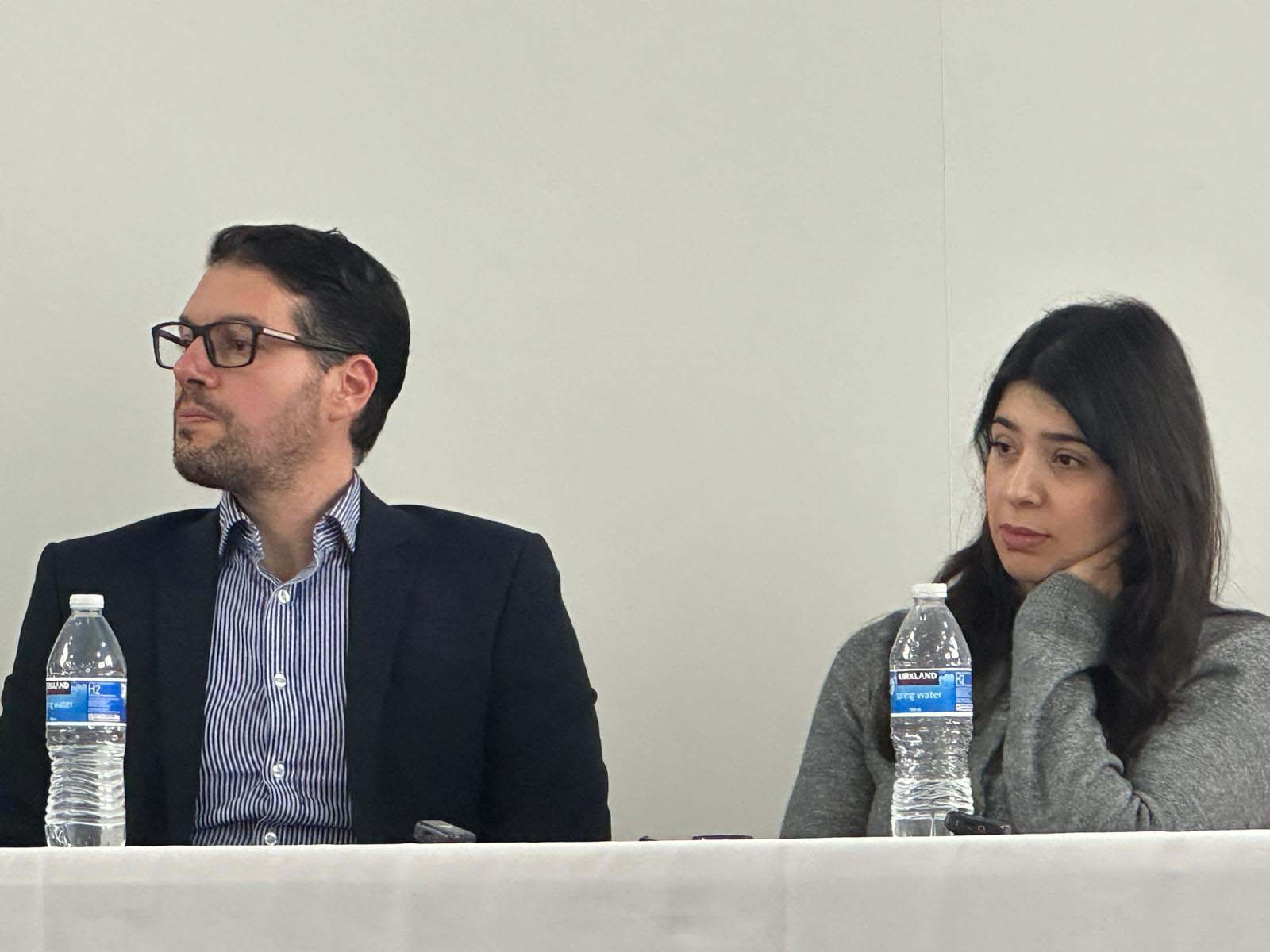
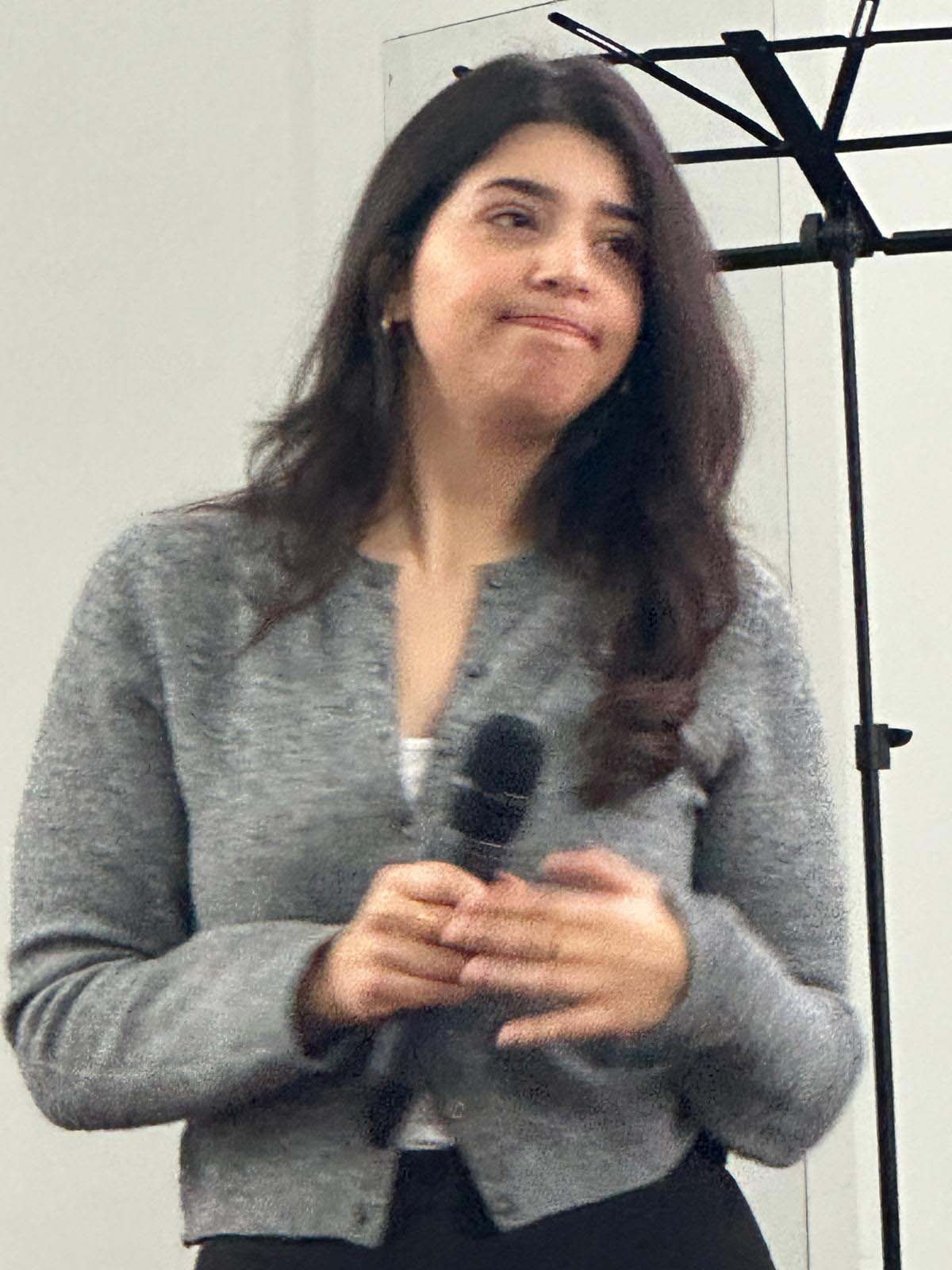
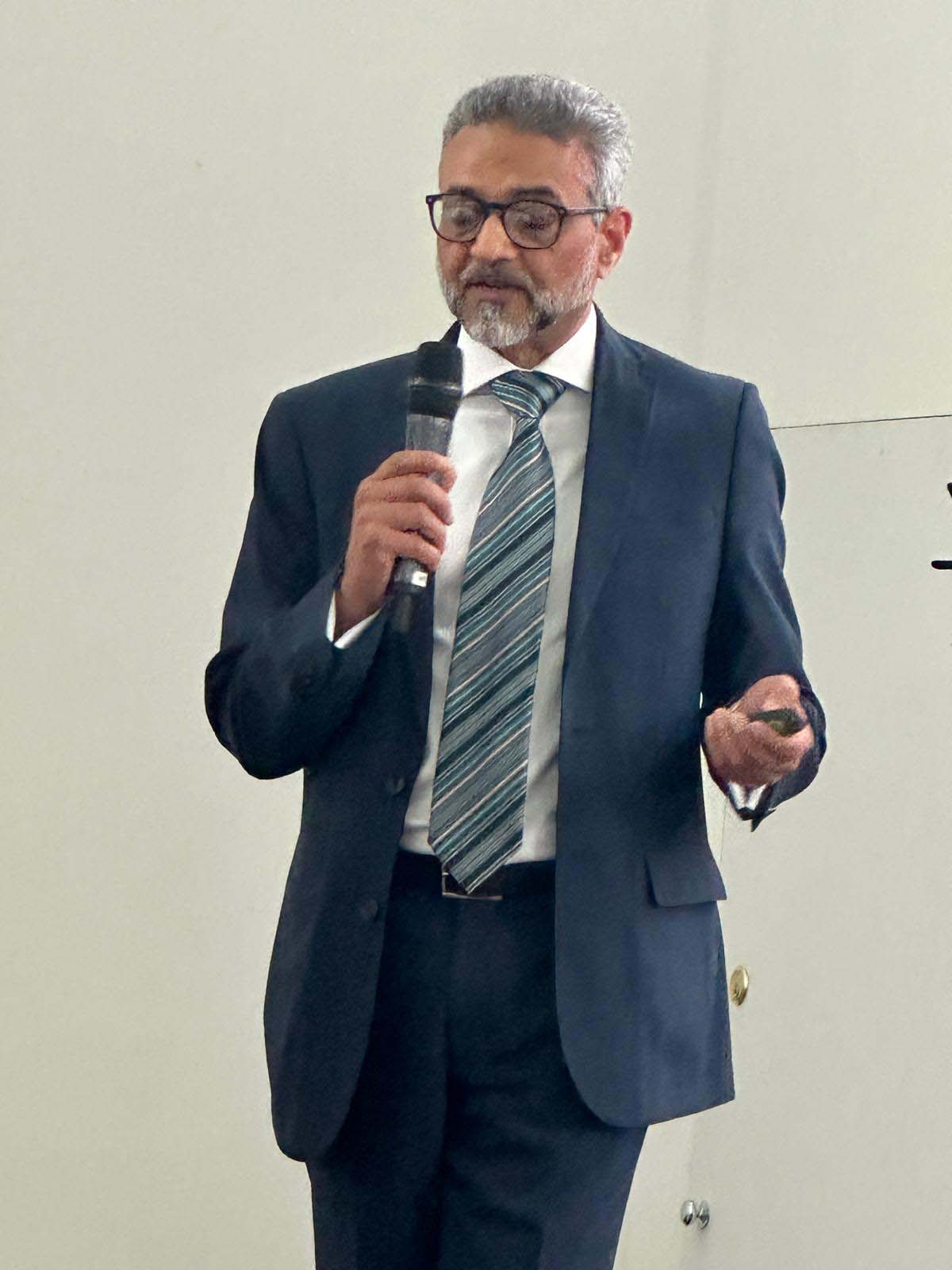
Earlier, three sessions of the launching ceremony were held. The first was about governance, the second was about Gaza, and the third and last—held after lunch—consisted of the formal launch of the forum. A question-and-answer session was also part of this session. On this occasion, a detailed roadmap was also presented. The first session was chaired by Jehangir Malik OBE, Civil Society Advisor, who addressed the topic of the framework for Muslim-led organisations. He said the definition of governance is the system, processes, supervision and accountability of an organisation. It also decides who has the power to make decisions. If governance is broken, the whole structure will be destroyed. He said good governance is a living system—an active system of leadership that protects values and strengthens community trust. Good governance should enable vision, build representation, encourage accountability, shape leadership and put values into action. Good governance is largely treated as compliance. Governance always focuses on avoiding problems. He said Islam stresses that governance is an amanah, adl, ikhlas and shura. The topic of the second session was the situation in Gaza, and it started with the opening remarks of Nasar Malik, a civil engineer and trustee at Cheadle Masjid. Nasir Hafezi, a solicitor, stated that silence is not safety—it is surrender. He said that during the recent Gaza campaign, charities were investigated, student visas were revoked and protests were criminalised. He stressed that peace in Palestine is the guarantee not only of global peace but also of peace among Muslims, Jews and Christians around the world. He said that raising voices in favour of Palestine in the UK led to activists being detained, protests curtailed and faith practices banned. Ehab Al Shareid and Dania Abul Haj, who are British-Palestinians and founders of the British Palestinian Families Network, said that advocacy is an organised attempt to change policy and practice. The purpose of advocacy is based on narrative, fundraising, influencing, decision-making and inspiring action. Ehab said that it is our moral and religious duty to support the brothers and sisters of Gaza. He asked how the community performed during the last two years. He said that due to effective advocacy, 55 percent of the public now oppose the aggression of Israel in Gaza. The speakers said that we need to build the capacity of Muslims in the UK and continue advocacy for Gaza. Nasar Malik thanked all participants who took part in the inaugural sessions.
In the last session, the Forum of Muslim Organisations Manchester (FOMO) was officially launched, bringing together leaders from mosques, charities and community groups across the city. On this occasion, a special session under the title “Forum of Muslim Organisations” was held. Addressing the participants, speakers said that FOMO will take on networking, capacity building, advocacy and representation of the collective voice of Muslim organisations in policy. The prominent speakers were Khalid Anis and Jehangir Malik OBE, while Sadek Hamid chaired the session. Jehangir Malik said that there are ten councils under Greater Manchester. Jehangir highlighted Manchester’s long history of social justice, civic action and community organising, tracing its legacy back to the Rochdale cooperative movement and the contributions of minority communities throughout the region’s development. Malik emphasised that Manchester has always been shaped by diverse groups, including Irish workers, Jewish families, Caribbean and African communities, and more recent refugee communities who have revitalised local areas. He noted that Muslim communities share this heritage of service, responsibility and working for the common good. Addressing current challenges, he stressed the need for unity, collective action and stronger representation in political and civic spaces. Malik argued that minorities are often under-represented or misrepresented in decision-making, making it essential for communities to organise, build structures and develop leadership that can influence policy and protect democratic participation. The new forum aims to strengthen collaboration between Muslim organisations, build advocacy capacity, encourage knowledge exchange and engage young people in civic life. Speakers noted that previous attempts at unity had struggled, often due to organisational silos and leadership ego, but expressed optimism that a new collective approach could bring lasting change. The launching event concluded with a call for shared purpose, stronger partnerships and practical action to ensure that Greater Manchester’s Muslim community can contribute effectively to social, economic and civic development across the region.