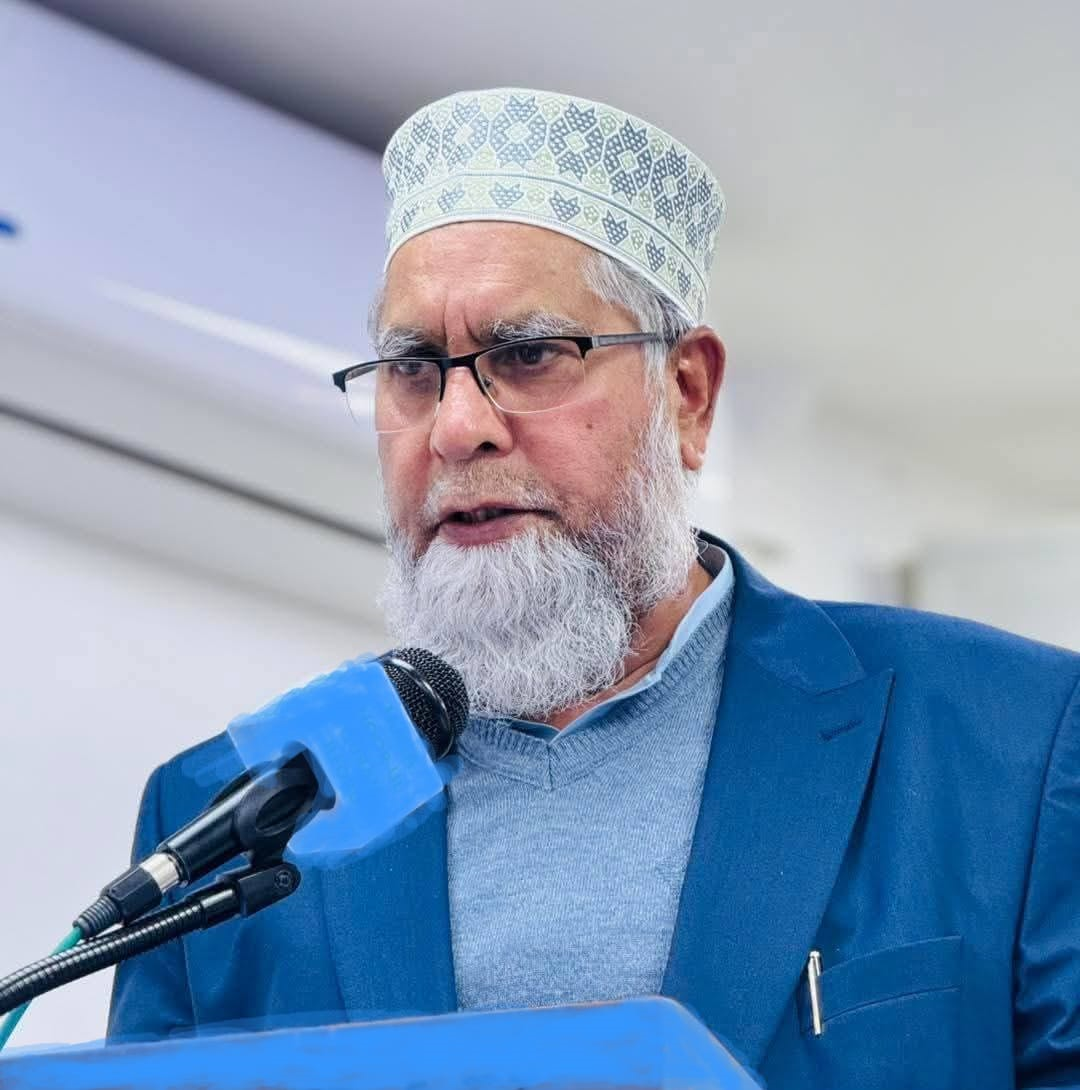
Professor Masood Akhtar Hazarvi
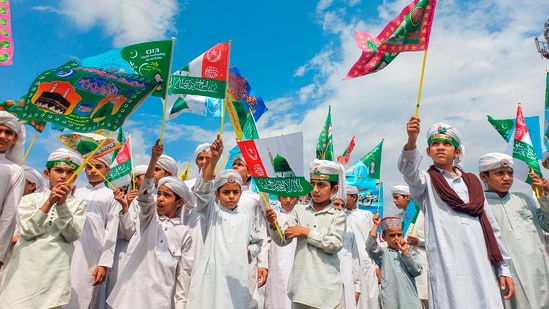
With the arrival of the blessed month of Rabi‘ al-Awwal, a special feeling of love and devotion for the Messenger of Allah ﷺ awakens in the hearts of Muslims. To celebrate the blessed birth and appearance of the Prophet ﷺ, homes and streets are decorated, lights are illuminated, gatherings are held, and the air resonates with naats in praise of the Beloved Messenger ﷺ. Every Muslim expresses his or her attachment to the Prophet ﷺ in their own way. This love is not something new; rather, it has remained the heartbeat of the Muslim Ummah for centuries, and, God willing, it will continue until the Day of Judgment.
However, this blessed month also invites us to reflect from another perspective: Is our love for the Messenger ﷺ confined merely to decorations, lights, gatherings and expressions of devotion, or do our hearts also carry a sincere determination to shape our lives according to his teachings? Love for the Prophet ﷺ is not merely a formal slogan or a temporary emotion. When genuine love takes root in a heart, the fragrance of Sunnah, the reflection of Prophetic character, and sincere concern for the welfare of Allah’s creation naturally begin to appear in a person’s life.
The mission and advent of the Prophet ﷺ was, in reality, one of Allah Almighty’s greatest blessings upon all humanity. He ﷺ came at a time when the darkness of ignorance had spread in every direction. The powerful oppressed the weak, women were deprived of their dignity and rights, and tribal prejudices had turned human beings against one another. In such circumstances, the arrival of the Mercy to the Worlds ﷺ was like a radiant lamp whose light dispelled the darkness from every direction. Allah Almighty Himself declares that the Prophet ﷺ was sent as a mercy to all the worlds. Thus, his blessed personality was not confined to any particular nation or era; rather, he ﷺ is a source of mercy and guidance for every age and every human being.
During his brief but immensely blessed twenty-three-year mission, the Prophet ﷺ did not merely teach people how to worship; he gave humanity a complete and balanced way of life. He strengthened the foundations of faith and infused worship with the true spirit of servitude to Allah. He refined human character and established principles for honest dealings and transactions. He defined the rights of neighbours, orphans, the poor and the vulnerable. He established such a firm foundation of justice that tribes divided by generations of conflict were transformed into a united Ummah. Bitter enemies became brothers. Slaves were given dignity, and women were granted their rightful rights and honour.
That is why the Qur’an declares that in the Messenger of Allah ﷺ there is an excellent example for you. Therefore, the true demand of love for the Messenger ﷺ is not merely to mention his blessed name or raise slogans of devotion; rather, it is to make his noble Seerah the model for our everyday lives.
When Sayyidah Aishah (RA) was asked about the character of the Prophet ﷺ, she gave a brief yet profoundly comprehensive answer: “His character was the Qur’an.” The Prophet ﷺ was unparalleled in his worship and equally exemplary in his dealings with people. At home, he was a source of mercy; in society, he was a source of compassion. He was a sincere well-wisher to his friends and a model of forgiveness and forbearance even towards his enemies.
He ﷺ would stand in prayer during the nights to such an extent that his blessed feet would become swollen. When he was asked why he exerted himself so much when Allah had already granted him such an exalted status and forgiven him, he ﷺ replied: “Should I not be a grateful servant?”
The entire life of the Prophet ﷺ was a shining embodiment of truthfulness and trustworthiness. Even his staunchest opponents in Makkah recognised him as Al-Sadiq (the Truthful) and Al-Amin (the Trustworthy).
Today, we need to sit quietly in a corner and ask ourselves some searching questions: If we truly claim to love the Messenger ﷺ, where is honesty in our businesses? How reliable are our promises? Is our tongue a protector of other people’s honour, or does it tear their dignity apart?
The events of the Conquest of Makkah provide the greatest testimony to the Prophet’s character. When those who had spent years persecuting and oppressing him stood helpless before him, he ﷺ chose forgiveness rather than revenge. At Ta’if, his blessed body was wounded and covered in blood, yet instead of cursing those who had harmed him, his blessed tongue expressed a prayer for their guidance. Today, we are in greater need than ever of that mercy, compassion and breadth of character.
Sadly, our condition has become such that we often sever close relationships over the smallest disagreements. We nurture resentment and jealousy in our hearts and turn minor differences into lasting enmity. Then, as soon as Rabi‘ al-Awwal arrives, slogans of love for the Messenger ﷺ begin to echo everywhere.
Could it be that our emotions are passionate, while our actions and character have become cold? We need sincere self-accountability and must pause to examine how much of the Seerah of Mustafa ﷺ is actually visible in our dealings, our attitudes and our speech.
The Prophet ﷺ taught that a Muslim is one from whose tongue and hands other Muslims remain safe. He placed such great emphasis on the rights of neighbours that the Companions began to think that perhaps a neighbour might even be given a share in inheritance. Serving parents, showing affection to children, caring for orphans, supporting the poor, safeguarding workers’ rights, and treating the vulnerable with kindness—all these are shining aspects of the Prophetic Seerah that can guide us even today.
If we take these teachings out of the pages of books and make them a living part of our lives, our homes will become better and our society will become stronger. This is the true and practical message of Milad al-Nabi ﷺ and the Seerah of Mustafa ﷺ.
Today, our youth are surrounded by various problems and confusions. They need to learn from the Prophet’s ﷺ life (Uswah-e-Rasool) that youth is not merely about entertainment and fulfilling desires; it is the best time to understand life’s purpose, direct abilities correctly, and contribute to society. Prophet Muhammad ﷺ trusted the youth, gave them important responsibilities, built the Ummah through them, and provided encouragement, guidance, and purpose. Instead of subjecting our youth to criticism and despair, we must offer them trust, training, and a clear mission so their energy becomes the Ummah’s strength rather than its burden.
In domestic life, Prophet Muhammad ﷺ is also the best role model for us. He treated his family with gentleness and love, showed affection to children, and helped with household chores. He was neither a strict husband nor a neglectful head of the family; rather, he led with responsibility, love, and justice. If these morals enter our homes today, many disputes could end, relationships could be saved, and homes could become havens of peace. The true blessing of Rabi-ul-Awwal would be feeling the fragrance of prophetic character within our households.
In business and daily dealings, the character of the Prophet ﷺ serves as our guidance. Truthfulness, trustworthiness, earning a halal livelihood, fairness in weights and measures, avoiding adulteration, and being gentle with customers are fundamental principles of Islamic commerce. Unfortunately, we express our love for the Prophet ﷺ in gatherings while deceiving people in the market. Sometimes, praise (Naat) is on the tongue while adulteration happens at the hands. This contradiction must end. The demand of loving the Prophet ﷺ is that our shop reflects his life, our office models integrity, and every affair aligns with the Sunnah rather than contradicting it.
With the arrival of the blessed month of Rabi-ul-Awwal, another dynamic emerges. Some people begin harsh opposition toward those celebrating Milad-un-Nabi, while some celebrants use harsh language against those who disagree. Thus, a month of blessings turns into an atmosphere of arguments and division rather than love. We must avoid both attitudes. Scholarly differences regarding the expression of this joy exist, but they should not cause hatred, verbal abuse, accusations, or mutual discord. Those who celebrate should ensure that their joy remains within Islamic law (Shariah)—free from extravagance, wastefulness, showmanship, and un-Islamic practices. Those who disagree should maintain respect, wisdom, and manners, without judging the intentions and devotion of others.
The true meaning of loving the Prophet ﷺ is not to fight one another, but to adopt the moral character he taught us. Our language should be gentle, hearts clean, dealings honest, promises kept, parents pleased with us, spouses and children finding peace in us, neighbors safe from us, the poor finding us helpful, and no one harmed by our hands. If the impact of our love is visible in our character, that is true love, not just slogans.
Governments, state institutions, and collective leadership also hold the responsibility to establish their systems on justice, trust, and integrity. They must promote human dignity, as well as educational and economic justice, improving affairs according to the principles of human rights (Huqooq-ul-Ibad). Prophet Muhammad ﷺ established a society in Madinnah where the law applied to everyone, the weak were protected, and the powerful were accountable. If we truly consider his life our guide, these principles must be visible in our collective life, educational system, judicial framework, and economic policies; otherwise, claiming love for the Prophet ﷺ remains mere lip service.
The core reality is that Rabi-ul-Awwal is not just a single month of celebration, but a season for lifelong self-reformation. If we abandon one bad habit during this month and incorporate one Sunnah into our lives, reconcile with an estranged relative, help a person in need, become punctual in prayer, or commit to correcting our dealings—that will be our true celebration of his birth. Illuminations look beautiful and Naats uplift the heart, but the primary light must shine in our hearts and character. Lit streets create a beautiful view, but lit hearts make an entire society peaceful.
Today, our greatest need is to look for our own faults rather than searching for flaws in others. Instead of measuring the love of others, we should test our own. We must reform ourselves before attempting to reform others. If Rabi-ul-Awwal passes and our prayers, morals, dealings, family behaviors, and speech remain unchanged, we must ponder what we truly gained from this month. The real celebration is not lighting lamps for a single night, but illuminating an entire life with the character of Prophet Muhammad ﷺ.
May Almighty Allah illuminate our hearts with true love for the Prophet ﷺ, enable us to follow his Sunnah, adorn our character with prophetic morality, and create love in our homes, honesty in our dealings, justice in our society, and mercy in our lives. May Allah make us the kind of followers (Ummathi) whose lives reflect the fragrance of the Prophet’s ﷺ life. Ameen Ya Rabb-ul-Alameen.